
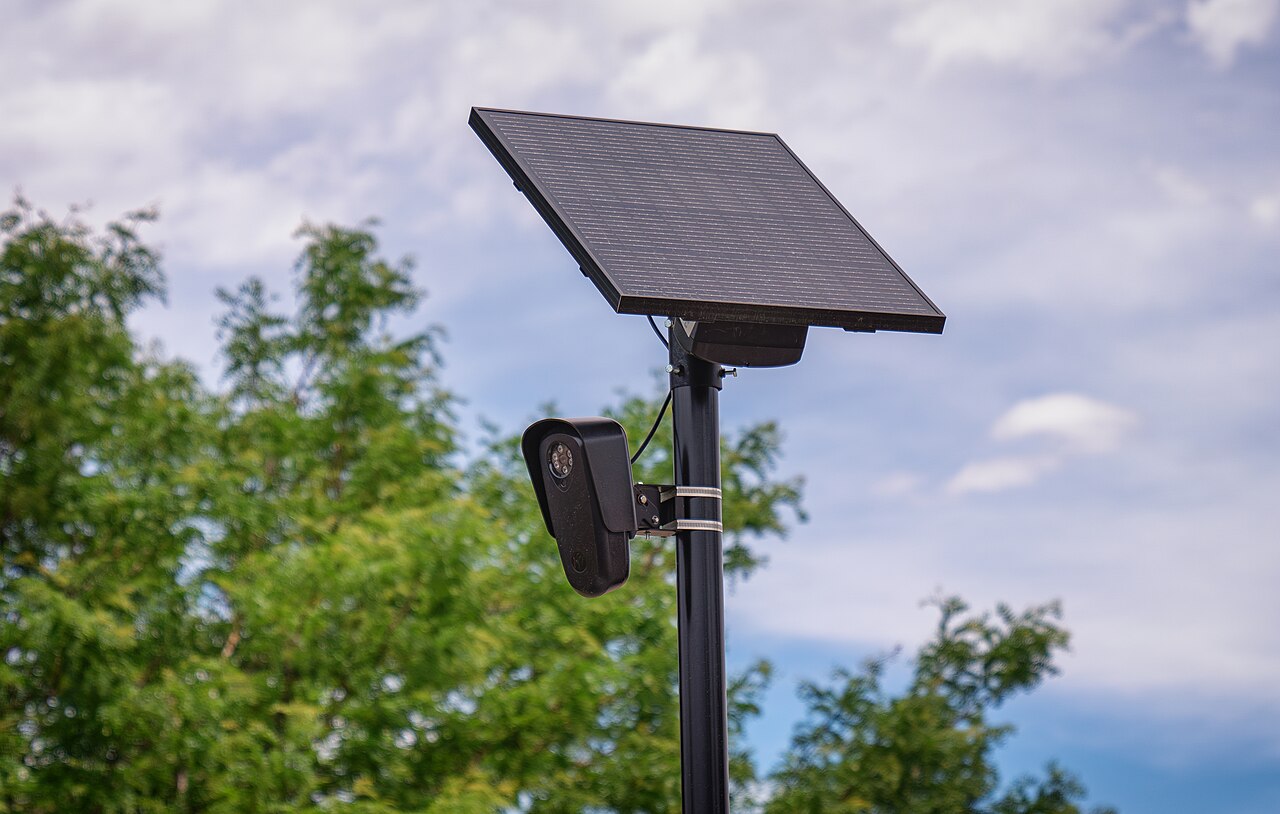
A debate that has reached city council chambers across Ohio, including in the Galion area, is now playing out at the Statehouse where lawmakers are considering new restrictions on automated license plate readers, including Flock Safety cameras. During the Ohio General Assembly’s November lame-duck session, legislators are considering proposals that could change how police departments and local governments collect and use information about vehicles traveling on public roads.
The issue has particular relevance in Galion, where residents previously raised questions about proposed cameras associated with Galion City Schools. Similar discussions have taken place in Bucyrus, Marion, Mansfield, and other nearby communities.
Several Bills, Different Approaches
At least five legislative proposals address automated license plate readers, each taking a different approach.
- House Bill 725, sponsored by State Representative Kevin Miller of Newark, addresses commercial exploitation of license plate information, government access, data retention, criminal penalties, and public records. The House Public Safety Committee held its fourth hearing November 17.
- Senate Bill 469, sponsored by Senator Al Cutrona of Canfield, would generally require deletion of collected information after 10 days, subject to exceptions, and restrict camera placement near houses of worship and firearms retailers.
- Other proposals go further. House Bill 1010 would largely prohibit government use of the technology, with exceptions including certain warrant-authorized investigations. House Bill 1011 proposes a one-year moratorium, while House Bill 1009 would preserve broader law enforcement access.
Together, the bills illustrate lawmakers’ differing views about appropriate oversight.
Law Enforcement Seeks Statewide Standards
Ohio law enforcement organizations generally support retaining the cameras while establishing safeguards against abuse. In November, leading police associations called for stricter penalties for unauthorized access, database audits, and stronger cybersecurity requirements.
Supporters say the technology helps departments identify stolen vehicles, locate missing people, and investigate serious crimes. Automated license plate readers capture images of passing vehicles, recording license plate numbers, vehicle descriptions, locations, and times. Police can search the resulting database for vehicles associated with investigations.
Unlike traditional traffic enforcement cameras, these systems generally are not designed to issue speeding or red-light citations.
Privacy Advocates Want Stronger Limits
The ACLU of Ohio has called for ending government use of automated license plate readers, arguing that the systems can create extensive records of people’s movements even when they are not suspected of wrongdoing. On November 17, the organization testified against the substitute version of House Bill 725. Its objections included restrictions on public access to records concerning police database searches and provisions allowing access through certain court orders without requiring probable cause.
Privacy advocates argue that information collected across multiple cameras can reveal patterns of travel and association.
Flock Safety, meanwhile, testified in support of House Bill 725, emphasizing safeguards against commercial data sales while preserving law enforcement access. The company maintains that its cameras capture vehicle images rather than using facial recognition technology, and that alerts provide investigative leads rather than proof of wrongdoing.
What It Could Mean Locally
For Galion residents, the statewide discussion follows concerns already raised locally. Earlier this year, two citizens addressed Galion City Council about automated license plate reading technology. One discussed a proposed installation involving Galion City Schools, including a pole on city-owned property. Another raised concerns based partly on business experience.
Elsewhere, Marion officials have considered restrictions affecting cameras within the city despite an established countywide network. Mansfield and Richland County also have significant automated license plate reader systems.
Statewide requirements could affect how existing systems operate, how new installations are approved, and what information local agencies must disclose. For communities considering the technology, legislation could also influence operational costs and administrative responsibilities.
Decisions Ahead In Columbus
Whether lawmakers can reach agreement before the current General Assembly concludes remains uncertain. House Bill 725 has received several committee hearings, while other proposals remain at earlier stages.
The debate raises questions extending beyond any particular manufacturer: how much information government should collect about ordinary travel, what safeguards should accompany police access, and how residents can determine whether surveillance systems are being used appropriately. Those questions have already surfaced in Galion and neighboring communities. Now, decisions made in Columbus could establish the rules governing cameras throughout Ohio.