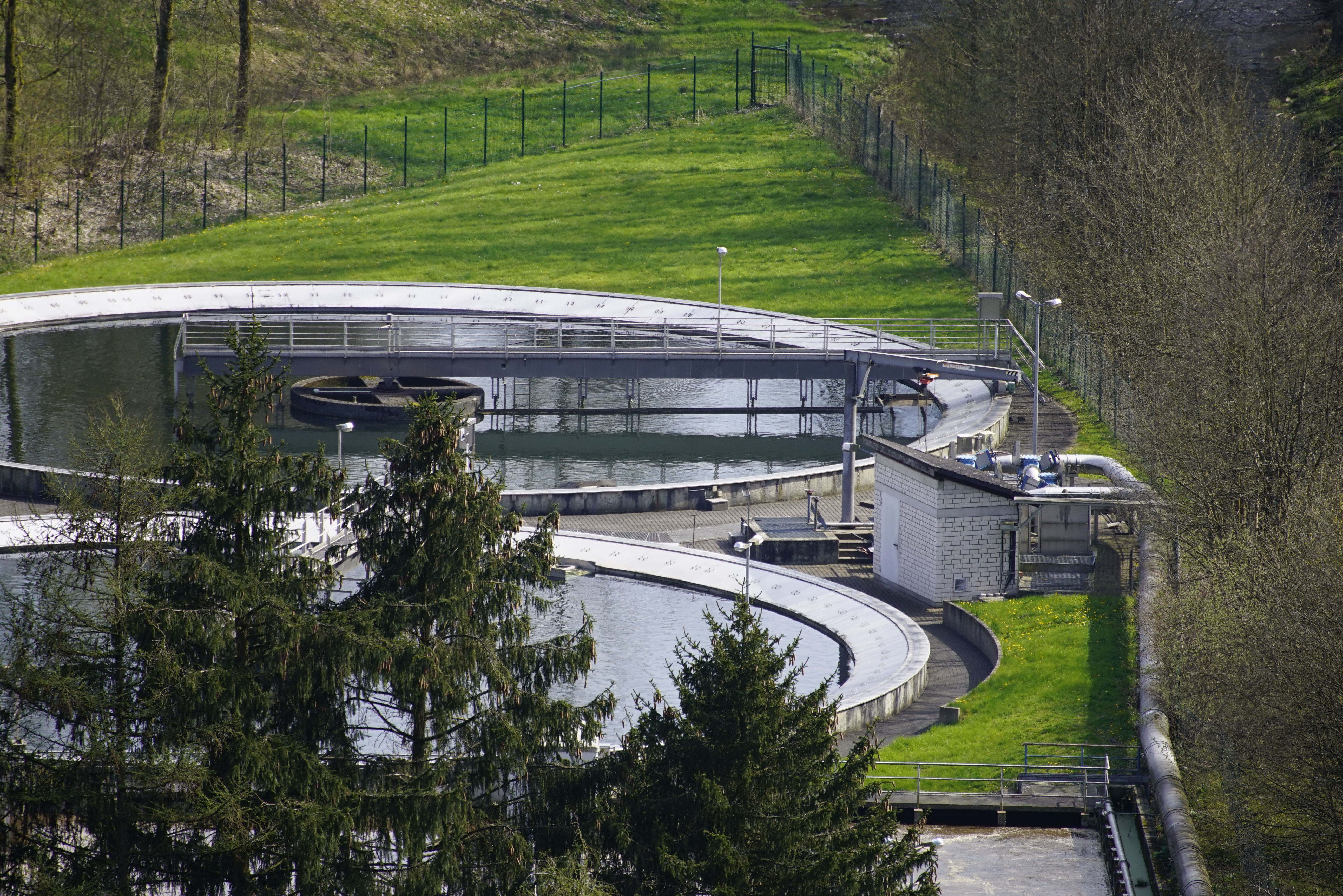
Galion faces some potentially significant wastewater infrastructure decisions. Such was the realization following an Ohio Environmental Protection Agency review that found the city’s treatment plant operating close to its designed capacity, experiencing repeated discharge violations, and handling wastewater flows that periodically exceed its hydraulic limits.
Two letters issued October 28 and sent to City officials outline these concerns and call for additional planning to address the plant’s future capacity needs.
EPA has requested a written plan and schedule within 90 days, while the city has confirmed that engineering work is already underway to identify potential improvements and evaluate their costs.
This brings challenges extending far beyond routine maintenance. While the city states there is progress addressing earlier EPA recommendations, the larger questions of treatment capacity, infrastructure improvements, and how those improvements might be financed remain unresolved. What is clear is that the City’s already difficult financial future is now made even more so.
Plant Nearing Capacity
The wastewater treatment plant, located at 6374 Hosford Road, was constructed in 1984 and last upgraded in 2012. Its average daily design capacity is 2.7 million gallons. In a separate capacity evaluation, EPA examined five years of wastewater flow data, from September 2021 through August 2026. During that period, the plant averaged 2.46 million gallons daily, approximately 91% of its design capacity.
The EPA explained that industry and regulatory guidance generally recommend beginning capacity improvement planning when sustained flows exceed 85% of a facility’s design capacity. Galion has exceeded that threshold for multiple consecutive years. The agency recommended that the city begin formal planning for future expansion, allowing time for engineering, financing, permitting, and construction before the plant reaches its limits.
More recent figures are even closer to those limits. Between May and September 2026, the plant averaged approximately 2.6 million gallons daily, nearly 97% of its design capacity.
During that period, four days saw wastewater flows exceed the plant’s peak hydraulic capacity of 8.5 million gallons. The highest occurred August 16, when flows reached 10.49 million gallons.
During exceptionally high flows, the facility uses internal bypasses that divert some wastewater around portions of its normal treatment process. That wastewater continues through other treatment components, including lagoons, before discharge into the Olentangy River.
Permit Violations And Maintenance Concerns
An October 5 inspection also documented nine discharge permit violations between May and September. Four involved ammonia nitrogen, three involved total phosphorus, and two involved total suspended solids. Some violations concerned pollutant concentrations, while others involved the total quantity discharged.
EPA additionally recorded four code events, including three E. coli samples described as “too numerous to count,” and one sanitary sewer overflow in August.
The inspection identified several maintenance issues, including accumulated sludge in treatment lagoons, a submerged curtain that no longer functions as intended, residual material in former aeration tanks, and one anaerobic digester that remains out of service.
The report did note documented corrective work, including cleaning clarifiers, ordering replacement pumps and diffusers, and addressing previously identified maintenance concerns. EPA found the plant maintained required operator certifications, met staffing requirements, and was meeting its existing compliance schedule. The inspection did not classify the facility as being in significant noncompliance.
City Cites Progress On Recommendations
Responding to an inquiry from 1831Galion, the city administration emphasized progress made by wastewater treatment personnel since an earlier inspection.
“In just four months, the staff has reduced the Ohio EPA’s recommendations from a list of 14 in June to four on the October inspection,” the administration stated.
The remaining recommendations involve projects requiring additional time and evaluation.
The city said material in an old sludge holding tank will be addressed through a digester project. Plans are also being developed to remove solids from the lagoons and evaluate the submerged curtain.
Wessler Engineering is examining the costs associated with the city’s biosolids treatment process, while plant personnel are discussing alternative sludge disposal methods with EPA.
“The City is confident we are moving in the right direction and will continue to work with Wessler Engineering and the Ohio EPA to address outstanding issues,” the administration stated.
The October inspection’s four recommendations are advisory rather than new enforcement orders. Separately, the city remains subject to existing EPA Director’s Final Findings and Orders, which are guiding its broader wastewater evaluation.
Engineering Study Will Examine Costs And Improvements
In its November 2 response to EPA, Wessler Engineering outlined the city’s ongoing No Feasible Alternatives evaluation, a comprehensive examination of its wastewater collection and treatment systems. The firm reported that collection-system field investigations, including smoke testing, have been completed. The study will examine wastewater flows, wet-weather conditions, treatment processes, facility capacity, and potential improvements. Importantly, the work will also address the financial implications of meeting the city’s wastewater infrastructure needs.
Wessler expects to develop improvement alternatives and preliminary project costs by February 2027. A Financial Capability Assessment is scheduled for April, followed by a draft evaluation in May. The final study is scheduled for submission to EPA on June 14, 2027, in accordance with the existing Director’s Final Findings and Orders. The letter, furnished by the City, is below.
Neither EPA’s October correspondence nor the city’s response provides an estimate of the eventual cost of improvements. The documents also do not establish whether additional construction, rehabilitation of existing infrastructure, or a combination of approaches will be ultimately recommended. Those uncertainties are particularly important because any substantial wastewater infrastructure investment would require identifying available funding and determining how and if the city could support the expense.
The engineering evaluation is intended to identify recommended improvements, their preliminary costs, and a schedule for implementation.
For Galion, the first task is continuing corrective work while evaluating longer-term capacity needs. The larger challenge will come as engineering recommendations take shape and the city must determine which improvements are necessary, what they will cost, and how those costs can be financed at a time when the financial challenges mount and revenue is stagnant.
Image by beauty_of_nature from Pixabay